
Superfruit is here!
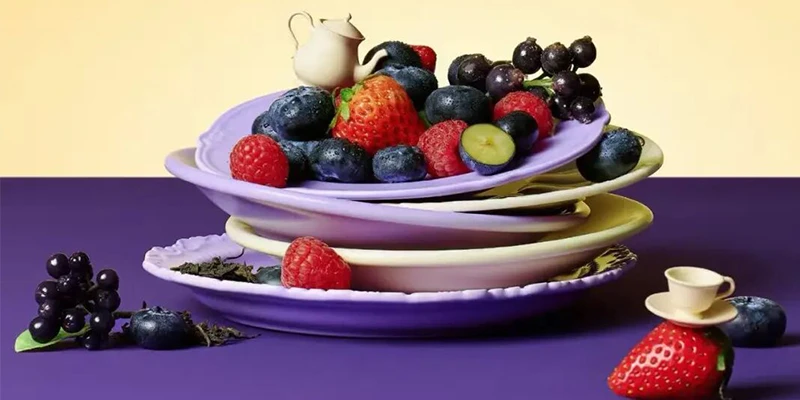
Berries are taking center stage this spring in China.
First, let’s clarify the definition of berries in the tea beverage industry:
In February, new launches continued:
16 brands introduced 26 berry‑related products, including 10 combination drinks.
As we can see, berry ingredients are not appearing in isolation, but are rapidly gaining popularity through simultaneous launches across multiple brands.
Discover the value of anthocyanins.
1、High compatibility across all categories.
"Berries can be used in almost every product category." This was the response I received from most R&D teams during interviews.
In other words, berries function more as a flavor base than a single product category. This means berry flavors can be repeatedly combined and extended across multiple categories.
2、Mature supply chain, complete product range.
"The berry-related raw material system is relatively well-established. Whether frozen fruits, fruit juices, jams, or fruit powders, they all feature a high degree of standardization," according to R&D.
This means more stable beverage production, less impact from seasonal fluctuations, and better control over waste and costs, making it ideal for chain brands to launch new products on a large scale.
In today’s environment that prioritizes efficiency and certainty, such low-risk, controllable ingredients have naturally become the top choice.
3、Its "superfruit" properties meet the needs of meal replacement and fat loss.
In other words, berries function more as a flavor base than a single product category. This means berry flavors can be repeatedly combined and extended across multiple categories.
2、Mature supply chain, complete product range.
"The berry-related raw material system is relatively well-established. Whether frozen fruits, fruit juices, jams, or fruit powders, they all feature a high degree of standardization," according to R&D.
This means more stable beverage production, less impact from seasonal fluctuations, and better control over waste and costs, making it ideal for chain brands to launch new products on a large scale.
In today’s environment that prioritizes efficiency and certainty, such low-risk, controllable ingredients have naturally become the top choice.
As light, low‑burden diets become a mainstream trend, berry ingredients carry a highly marketable natural value label: superfruit.
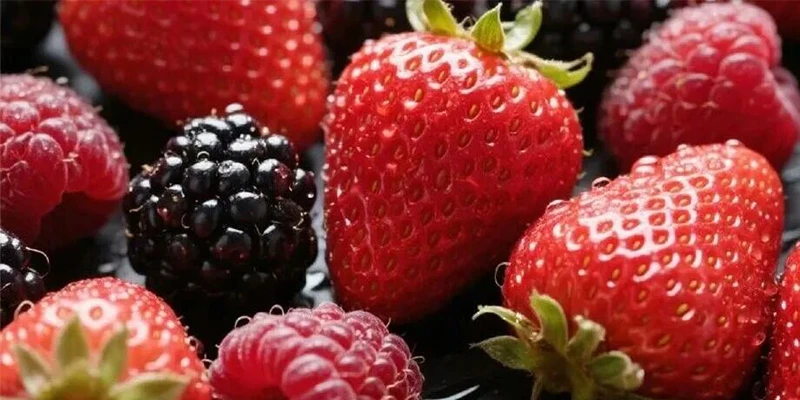
Fruits such as strawberries, blueberries and raspberries have long been associated with low calories, anthocyanins and antioxidant properties. As seen in domestic brand marketing, they all focus on highlighting the concept of rich in anthocyanins.
"During the transition from spring to summer, demand for fat loss and calorie control rises significantly.When choosing drinks, consumers prefer products that deliver great flavor without excessive guilt."said R&D.
From a product perspective, this also gives brands more room for innovation:by highlighting real fruit content, reducing sugar, and adding yogurt, they can further strengthen their light functional positioning.
Conclusion
Overall, the rise of berries is more of a gradual industry consensus.
For brands, the key is to create distinct, memorable experiences with these widely accpeted ingredients.
What matters is not trend -following, but product R&D capabilities.